Creative Homeschool Organization Ideas for a Tidy Space: Organizing Homeschool Space
Creating a tidy and efficient homeschool space can feel like a big task. But with a few smart ideas, it becomes easier and even fun. A well-organized area helps keep lessons flowing smoothly and reduces stress. I want to share some creative ways to organize your homeschool space so it works well for your family’s unique needs.
Why Organizing Homeschool Space Matters
A cluttered space can make learning harder. When everything has a place, it’s easier to find what you need. This saves time and keeps the day moving. Plus, a neat area helps kids focus better. It also teaches them good habits about keeping their things in order.
Start by looking at your current setup. What works? What feels chaotic? Knowing this helps you plan better. Think about the materials you use most often. These should be easy to reach. Less-used items can be stored away but still accessible.
Smart Storage Solutions for a Homeschool Room
Storage is key to a tidy homeschool space. Here are some ideas that I’ve found really helpful:
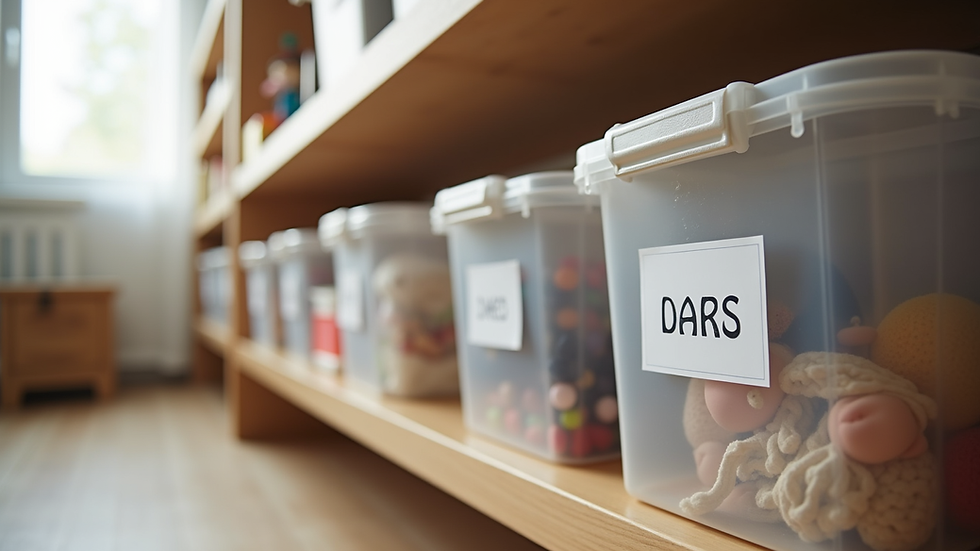
Clear bins and labels: Use clear plastic bins so you can see what’s inside. Label each bin with the contents. This makes cleanup faster and helps kids know where things belong.
Rolling carts: These are great for moving supplies from room to room. You can keep art supplies, books, or science kits on a cart and roll it out when needed.
Wall organizers: Use wall pockets or hanging file holders to keep papers and worksheets organized. This frees up desk space and keeps important papers visible.
Bookshelves with baskets: Combine open shelves with baskets or bins. This keeps books tidy and adds a decorative touch.
Try to keep your storage solutions flexible. As your homeschooling needs change, you can adjust what you store and where.
Creating Zones for Different Activities
Dividing your homeschool space into zones can make a big difference. Each zone has a specific purpose, which helps keep things organized and focused.
Reading nook: A cozy corner with comfy seating and good lighting. Keep bookshelves nearby for easy access.
Workstation: A desk or table for writing, drawing, and computer work. Keep essential supplies like pencils, paper, and scissors within reach.
Art and craft area: A spot with washable mats, storage for paints, brushes, and craft paper. This helps contain messes and keeps supplies organized.
Science and exploration zone: A place for experiments and hands-on learning. Store kits, magnifying glasses, and other tools here.
Label each zone clearly. This helps kids know where to go for each activity and where to put things back.
Tips for Managing Paperwork and Curriculum Materials
Paperwork can quickly pile up in a homeschool setting. Here are some ways to keep it under control:
Use a filing system: Have folders for each subject or child. Store completed work, lesson plans, and important documents here.
Go digital when possible: Scan or photograph worksheets and notes. Store them on a computer or cloud service to reduce paper clutter.
Daily tidy-up routine: Spend 5-10 minutes at the end of each day putting papers away. This keeps the space ready for the next day.
Use binders: Keep current lesson plans and schedules in binders. Use dividers to separate subjects or weeks.
These simple steps help keep paperwork manageable and prevent it from taking over your space.

Encouraging Kids to Help Keep the Space Tidy
Getting kids involved in organizing teaches responsibility and makes cleanup easier. Here are some ways to encourage their participation:
Make it fun: Turn tidying up into a game or challenge. Set a timer and see who can put away the most items.
Assign specific tasks: Give each child a job, like organizing books or sorting art supplies.
Use visual reminders: Charts or checklists can help kids remember their cleanup duties.
Praise their efforts: Positive feedback encourages them to keep up good habits.
When kids feel ownership of their space, they are more likely to keep it neat.
Keeping Your Homeschool Space Flexible and Adaptable
Homeschooling needs can change quickly. Your space should be able to adapt without a full overhaul. Here are some ideas:
Modular furniture: Use tables and shelves that can be moved or reconfigured easily.
Multi-use storage: Choose bins and baskets that can hold different types of supplies as needed.
Seasonal rotation: Store out-of-season materials away and swap them out when needed.
Regular review: Every few months, reassess your setup. Remove items you no longer use and add new solutions.
This flexibility keeps your homeschool space working well as your family grows and changes.
If you want more ideas, check out these homeschool organization ideas for inspiration.
Making the Most of Small Spaces
Not everyone has a large room for homeschooling. Small spaces can still be organized and functional with the right approach:
Vertical storage: Use wall shelves and hooks to free up floor space.
Foldable furniture: Desks or tables that fold away when not in use save space.
Under-desk storage: Use bins or drawers under the table to keep supplies handy but out of sight.
Clear zones with rugs or mats: Define areas visually even in a small room.
With a little creativity, even a small corner can become a great learning spot.
Organizing your homeschool space doesn’t have to be overwhelming. Start small, try a few ideas, and adjust as you go. A tidy, well-planned area makes learning more enjoyable for everyone. Remember, the goal is a space that supports your family’s unique rhythm and needs. Happy organizing!


Comments